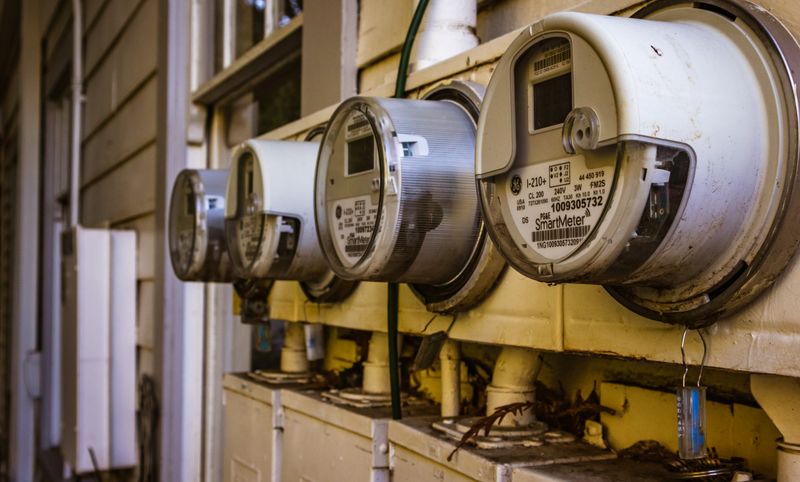
Ohio energy costs have surged dramatically: electricity rates hit 17.59 cents per kWh in January 2026 (up 12.6% in one year), and residential natural gas prices have risen 84% since 2020. For homeowners in Akron, Canton, Youngstown, and across Northeast Ohio, these increases are adding hundreds of dollars per year to household budgets — and the trend shows no signs of slowing down.
The Numbers: How Much More Are You Paying?
According to the U.S. Energy Information Administration (EIA), Ohio residential electricity rates rose from 15.62 cents per kWh in January 2025 to 17.59 cents in January 2026. That's a 12.6% jump in a single year. Signal Ohio reports that the average Ohio household's electric bill has increased by $32 per month compared to a decade ago.
Natural gas costs have been even more dramatic. EIA data shows the delivered residential natural gas price in Ohio has climbed steadily:
2020: $14.22 → 2022: $20.69 → 2024: $22.46 → 2025: $26.21
For a typical gas-heated Ohio home, combined annual energy costs now range from $2,400 to $2,800 per year. Winter heating costs alone average $693 per season for natural gas users — up 8.4% from the previous year.
Sources: EIA Electric Power Monthly, EIA Ohio Natural Gas Prices, OHEnergyRatings.com
What's Driving the Increases?
Several factors are pushing Ohio energy prices higher. An 833% increase in PJM capacity costs (the grid operator covering Ohio and surrounding states) has directly impacted electricity bills, causing 10-15% bill increases in the 2025-2026 period. The EIA also identifies growing data center demand as creating the strongest four-year growth in U.S. electricity demand since 2000.
Looking ahead, the EIA projects residential electricity prices will continue rising approximately 4% annually. That means a household paying $220 per month today could be paying over $268 per month by 2031 — without changing a single thing about their energy usage.
Sources: EIA STEO March 2026, ElectricityPlans.com Ohio Capacity Analysis
The NE Ohio Housing Problem
Northeast Ohio has one of the oldest housing stocks in the country. According to Axios Cleveland, 49.6% of homes in the Cleveland metro area were built before 1939. The median home sold in 2024 was 65 years old. These homes were built with little to no wall insulation and attic insulation far below today's R-49 to R-60 standards.
With 64% of Ohio homes heated by natural gas — and gas prices nearly doubling since 2020 — the gap between what these older homes cost to heat and what they should cost is widening every year.
How Much Can Better Insulation Actually Save?
The good news is that insulation upgrades are one of the most effective ways to fight rising energy costs. According to the U.S. Department of Energy, weatherization can reduce energy consumption by up to 35%. The EPA estimates homeowners save an average of 15% on heating and cooling costs from air sealing and insulation alone.
Ohio's Weatherization Assistance Program has documented even stronger results — average household savings of $540 to $620 per year, making it one of the best-performing state programs in the country. The DOE's Oak Ridge National Lab found that for every $1 invested in weatherization, $4.50 is generated in combined energy savings and non-energy benefits.
We built a free Energy Savings Calculator that uses this EIA and DOE data to estimate your specific savings based on your home size, age, heating fuel, and current insulation condition. Try it — it takes 30 seconds.
Sources: U.S. DOE WAP, ORNL Retrospective Evaluation, ENERGY STAR Methodology, Policy Matters Ohio
What You Can Do Right Now
- Check your insulation levels. If your attic has less than 10-13 inches of insulation, you're below current standards.
- Look for air leaks. Feel around windows, doors, electrical outlets, and attic hatches on cold days. Air sealing is often the cheapest, highest-impact upgrade.
- Use our savings calculator. Get a personalized estimate of how much you could save.
- Check if you qualify for HWAP. Ohio's Weatherization Assistance Program covers insulation and air sealing at no cost for qualifying households.
- Claim the tax credit. The federal Energy Efficient Home Improvement Credit (Section 25C) covers up to 30% of insulation material costs, up to $1,200 per year.
Wondering how much you could save?
Try our free calculator for an instant estimate, or schedule a no-cost in-home assessment.
Open Savings Calculator Get a Free Estimate